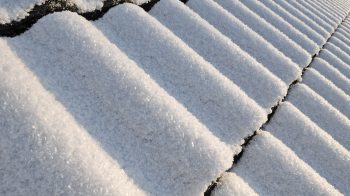
Even in winter, a stretch of warm weather can reveal a leaky roof. So how do you find the problem when snow is covering everything? It's actually quite possible to repair a roof in winter despite what some people assume — though a few extra precautions are needed. Here's what to do if you end up with a roof leak this time of year.
More preparation involved
Repairing a roof in winter naturally takes a different approach than in summer. Snow needs to be cleared from the roof and the surrounding area first, just to detect and access the problem. A renovation company will factor that extra prep into its costs, which is part of why winter roof repairs tend to run more expensive. That said, there are still a few things you can do yourself to keep the situation from getting worse.
Locate the leak
Before heading outside unnecessarily, start by checking whether you have attic access. Once you're safely inside, you're more likely to spot where the water is coming in by examining the underside of the roof. Check junction points like valleys on sloped roofs, and inspect areas around vents or fans. Look for signs of moisture, and with a bit of luck, you'll be able to trace the leak back to its source.
Call in the professionals
Getting up on a roof yourself in winter to fix a leak isn't a good idea. Beyond the obvious danger of snow and ice making the surface slippery, asphalt shingles are also much harder to install correctly in the cold, and the work takes real expertise. Cold temperatures stiffen asphalt shingles and weaken their adhesion, since it's normally activated by heat. In winter, shingles need to be kept warm right up until they're installed, or they risk warping.
Prevention is always worth it
To avoid leaks showing up during a winter warm spell, inspect your roof before the snow arrives. Watch for raised or cracked shingles, wear around the chimney or vents, and any damage to the gutters. Keep an eye out for missing shingles too — sometimes you'll find them on the ground around the house. During freeze-thaw cycles in winter, ice can build up along the roof's edge and block proper drainage, which can cause leaks on its own. If you spot this happening, call a qualified professional.
A winter roof leak is never welcome news, but with some preventative steps and a professional on call if it does happen, you should be able to get through the season staying dry. Don't hesitate to reach out to an expert if you think your roof might need attention — they're always happy to advise or step in if a leak catches you off guard.