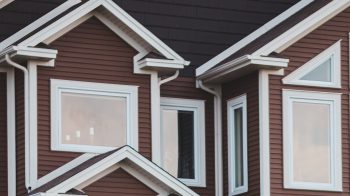
Choosing the material for your exterior cladding is a major decision. It has one of the biggest impacts on curb appeal, and it comes with a real price tag. Many Ottawa-area homeowners and builders are choosing insulated siding over traditional vinyl siding for that reason.
There's no shortage of cladding materials to choose from, including:
brick
stucco
wood
stone
metal
vinyl siding
insulated siding
Our team has extensive experience installing both vinyl and insulated siding on homes, renovations, additions, and annexes across Ottawa and Gatineau. Here's an honest look at the pros and cons of insulated siding versus traditional hollow vinyl. Fair warning: it's heavy on the pros.
Insulated vinyl siding starts with standard vinyl siding, then adds form-fitting expanded polystyrene (EPS) insulation permanently built into the back of the vinyl courses. That insulation adds real rigidity, giving you siding that looks and feels considerably more solid than regular "hollow" vinyl, along with several other benefits.
Insulated vinyl siding carries a higher R-value, typically in the R-2 to R-6 range depending on the product. That added insulation helps maintain indoor temperatures against outside extremes, keeping your home cooler in summer and warmer in winter — which adds up to real utility savings.
Insulated vinyl siding is remarkably durable, long-lasting, and low maintenance. It holds up against:
fading
cracking
warping
hail
lawnmower projectiles like stones and pebbles
balls and pucks
termites
pollutants
ice buildup
It's easy to clean with a garden hose, and winter ice and snow simply slide right off. That durability means you won't be repairing or replacing your siding for decades, all while it keeps its like-new look.
Foam-backed insulated vinyl siding costs more upfront than standard vinyl. If you're looking for an immediate return on investment, it might not fit the budget. But for homeowners planning to stay put and build equity over time, the long-term gains from insulated siding tend to pay off.
Insulated siding raises your home's value, lasts significantly longer, and saves you money every month on utilities — it just takes some time for that value to outweigh the initial cost.
Insulated vinyl siding also outperforms hollow vinyl when it comes to reducing mould and mildew growth. The EPS insulation's heat-retention properties help protect walls from the moisture buildup that's more common with wood or hollow vinyl siding.
The materials used in insulated siding are 100% recyclable, making it a genuinely greener choice.
For homeowners in noisy or windy areas, insulated siding has another point in its favour: quieter interiors. Its solid, seamless joints don't rattle or whistle in the wind the way hollow vinyl can, and it also helps block out noise from nearby traffic, industry, or commercial activity.
Insulated siding is noticeably sturdier and more seamless than standard vinyl, and it shows. With no overlapping seams and a wider range of colours, textures, and profiles, it gives a home a more elevated look overall.
Installing foam-backed insulated siding takes specific tools, techniques, and know-how that go beyond most DIY skill sets. If you're planning to install your own exterior cladding, insulated vinyl siding probably isn't the easiest starting point.
If you're looking for a vinyl siding installation team in Ottawa or Gatineau, don't hesitate to reach out. We're happy to answer your questions about insulated vinyl siding versus regular siding and talk through the scope of your renovation or remodel.